
The fastest realistic routes to working capital for inventory are a business line of credit, an SBA microloan for smaller purchases, and asset-based or ARIF revolving credit for larger stock buildups. Online marketplace platforms can often deliver approvals in 24 to 48 hours, while SBA and traditional bank products take longer but usually cost less. Compare total cost, collateral requirements, and speed before you commit to any single option.
TL;DR:
- Online marketplace lenders can provide approval within 24 to 48 hours, but their higher rates may outweigh the slower, cheaper SBA options for smaller needs.
- Preparing detailed inventory reports, financial statements, and sales data before applying significantly shortens underwriting time and can improve loan terms.
- Collateral requirements vary from unsecured lines for higher flexibility to inventory-secured loans offering higher advance rates, typically between 20% and 65%.
- Beware of lenders with undisclosed fees, aggressive default clauses, or offers exceeding standard inventory advance rates, and verify net disbursement before accepting any terms.
- Small businesses should match their inventory purchase purpose with the appropriate financing, weighing speed, cost, and reporting obligations to minimize risks.
Every inventory financing route trades speed against cost and flexibility, so matching the product to the purchase matters as much as getting approved.
A business line of credit works as a revolver: you draw what you need, pay interest only on the drawn balance, and repay to free up capacity again. It tends to be the fastest fit for short, seasonal inventory buys, and our guide to line of credit uses covers common scenarios.
The SBA microloan program caps loans at $50,000, with the average loan size around $13,000, which makes it a reasonable fit for small, recurring inventory purchases rather than large buildouts. It costs less than most alternative financing but moves slower through underwriting.
For bigger or more formal inventory-backed credit, the SBA 7(a) working capital pilot supports asset-based lines that can scale to larger needs for qualifying borrowers, with ongoing financial reporting required.
Asset-based lending, sometimes called ARIF (accounts receivable and inventory financing), uses a borrowing base where advance rates on inventory generally run between 20% and 65% depending on collateral type and liquidation value.
Lenders move faster when your documentation answers their underwriting questions before they ask. Prepare a package that shows exactly what you hold, what it’s worth, and how fast it turns into cash.
Borrowing bases are built from this data: lenders apply a discount to account for liquidation value, which is why fresher, more liquid, non-obsolete inventory earns higher advance rates, a mechanic described in OCC guidance on accounts receivable and inventory financing. Larger facilities may also require periodic field audits or tighter reporting controls before a lender extends a higher advance rate.
Pro Tip: Build your SKU-level inventory report before you apply, not after a lender asks for it. It shortens underwriting and often improves your advance rate.
Start with the purchase itself. An urgent, one-time restock calls for a different product than a seasonal buildup or a permanent increase in working capital tied to growth.
Once you know the purpose, compare total cost across every option on the table, not just the headline rate. Ask for the APR or factor rate, any upfront or origination fees, and the repayment cadence, since daily or weekly debits hit cash flow differently than monthly payments. A written sample amortization or net proceeds estimate makes the comparison concrete instead of theoretical.
Collateral terms deserve equal weight. An unsecured line of credit preserves your inventory as unencumbered, while an inventory-secured facility usually unlocks more capital but comes with reporting obligations and, in some cases, field audits.
Before signing anything, ask the lender directly:
Our lender selection checklist walks through these questions in more depth.
Speed in inventory financing comes from preparation, not luck. Build your data pack and clean up your operations before you submit anything.
A “24-hour approval” usually describes the credit decision, not the moment funds land in your account; full disbursement can still take a few additional business days depending on the lender and loan size.
Pro Tip: Ask every lender to state your net disbursement in writing before you sign, since quoted loan amounts and actual deposits don’t always match.
The FTC has warned small businesses about misleading marketing and fee practices in small-business financing, including cases where lenders deducted charges directly from the funded amount without clear disclosure. A related FTC advisory flags confession of judgment clauses and contracts that claim “no personal guarantee” while effectively requiring one.
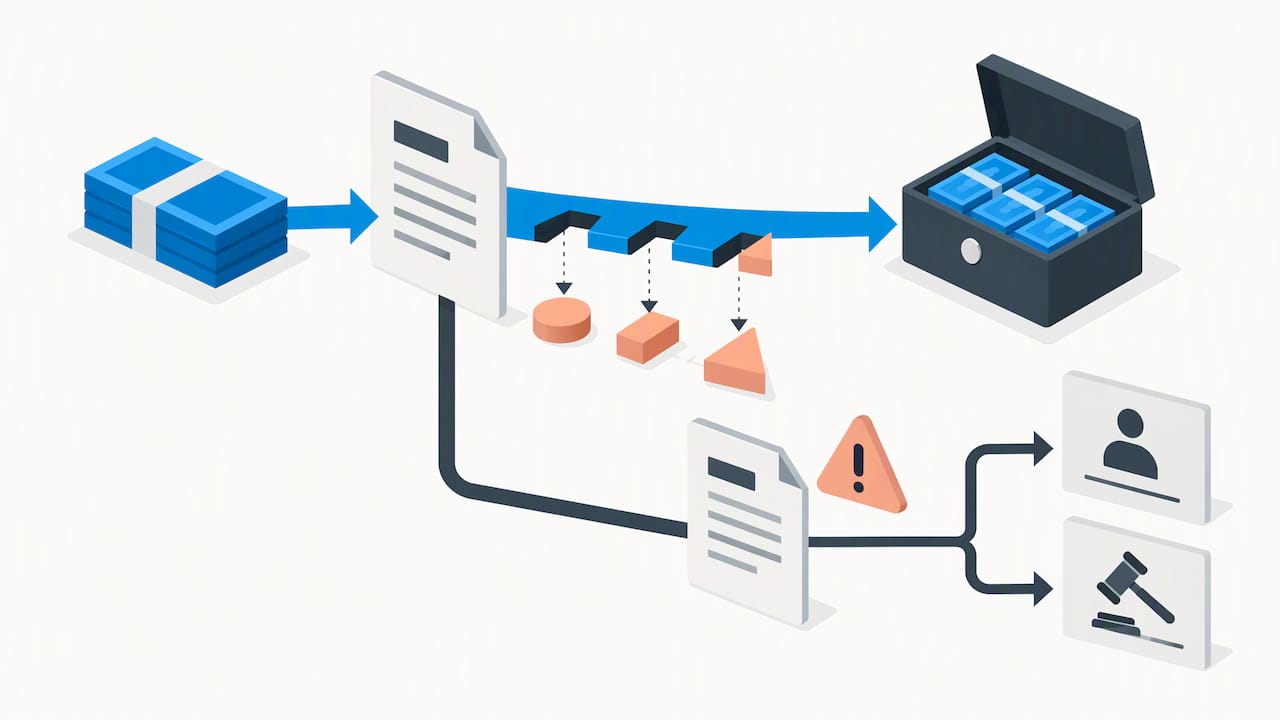
The FDIC notes that inventory advance rates generally fall between 20% and 65%, so an offer promising far above that range for standard inventory collateral deserves a closer look.
Watch for these warning signs before you sign:
Check a lender’s Better Business Bureau rating and any public enforcement history, and pause to get outside advice whenever the terms feel rushed or the math doesn’t add up on paper.
Inventory financing decisions get made under pressure, often when stock is already running low and a sale window is closing. That urgency is exactly when businesses accept terms they would reject on a calmer day.
My take: speed is a real advantage, but it’s not the only variable that matters. A fast approval on a facility with a confusing factor rate or an undisclosed fee schedule can cost more than a slower SBA microloan with a transparent rate. Read the net disbursement number before you read the marketing copy.
— Rob
We connect small and medium-sized businesses to a network of banks and alternative lenders for SBA loans, lines of credit, and working capital, built for owners who need stock funded without wading through traditional bank timelines. Our one-page application and approval process within 24 hours mean you can move from application to a funding decision in about the time it takes most banks to schedule a first call.
We provide personalized advisor support throughout the process and do not check your credit score during eligibility inquiries.
Before you apply, have your inventory list, financial statements, and AR/AP aging ready, the same documentation that speeds up underwriting anywhere.
| Fordham Capital offer | Rate | Best for |
|---|---|---|
| SBA Loan | 8% per year | Lower-cost, larger inventory or working capital needs |
| Line of Credit | 1 to 3% per month | Flexible, repeat inventory draws |
| Working Capital | Price available on request | Fast, general working capital needs |
Start your one-page application with Fordham Capital to see what you qualify for before your next inventory order is due.
A business line of credit or a marketplace lending platform typically offers the fastest path, with approvals possible within 24 to 48 hours through streamlined applications. SBA products and traditional bank loans usually take longer because of more extensive underwriting.
The SBA microloan program caps loans at $50,000, with the average loan size closer to $13,000, making it a fit for smaller or recurring inventory purchases rather than large buildouts.
Advance rates on inventory-based financing generally range between 20% and 65%, depending on how liquid and current the inventory is. Fresh, fast-moving stock typically earns a higher advance rate than aging or specialized goods.
Most lenders ask for a SKU-level inventory list, recent financial statements, accounts receivable and payable aging, and sales or payment processor statements. Having these ready before you apply shortens underwriting time significantly.
We offer SBA loans, lines of credit, and working capital financing through a one-page application with approvals possible within 24 hours. Our network connects you to third-party banks and alternative lenders without impacting your credit score during the inquiry.
At Fordham Capital, we've made the application process straightforward and reassuring. Dive in and explore your financial options with confidence, knowing there's no impact on your credit score and no obligations. We review your details and offer customized solutions based on what you're looking for.