
Prequalification is a quick, informal estimate of what you might be able to borrow, while preapproval is a documented, conditional commitment backed by verified paperwork and a credit check. Get prequalified early to set a budget, and get preapproved once you are ready to tour homes and make offers. Neither one guarantees a loan, but preapproval carries far more weight with sellers.
TL;DR:
- Prequalification provides an estimate based on self-reported data, while preapproval involves verified documents and a hard credit check; preapproval is more credible to sellers.
- Preapproval letters typically remain valid for 30 to 90 days, so timing your house search within this window is essential to avoid expiration.
- Buyers should obtain preapproval only within about two months of house hunting to prevent the letter from expiring before making an offer.
- Comparing multiple preapproval offers within a short 45-day window helps identify the best rates and terms, as they only count as one credit inquiry.
- Neither prequalification nor preapproval guarantees final loan approval, as appraisal issues or financial changes may still impact the final decision.
The two terms get used loosely, and lenders do not always define them the same way, so it helps to see the differences laid out directly, according to the Consumer Financial Protection Bureau. Preapproval letters are typically valid for 30 to 90 days, and buyers should time the process around when they plan to shop.
| Factor | Prequalification | Preapproval |
|---|---|---|
| Verification level | Self-reported, unverified | Documents reviewed and verified |
| Credit check type | Often soft pull | Typically hard pull |
| Documents required | None or minimal | W-2s, pay stubs, bank statements, tax returns |
| How sellers view it | Weak signal | Strong signal of serious buyer |
| Typical timeline or validity | Same day, no expiration | 30 to 90 days |
| Cost or fees | Usually free | Usually free, tied to formal application |
Neither letter is a guarantee of final financing. Appraisal results, updated documents, and underwriting can still change the outcome after either step, as the CFPB explains.
Prequalification is a loose read on your buying power. You tell a lender your income, debts, and assets, and they run a quick calculation to estimate what you might qualify for. There is usually no document verification and no underwriting involved, which is why the CFPB describes it as generally involving no cost and no firm commitment.
Because it relies on self-reported numbers, prequalification is best treated as a planning tool rather than proof of anything. It is useful for:
Lenders vary in how they run this step. Some pull a soft credit check that does not affect your score, while others treat prequalification almost like a light preapproval. Always ask what a specific lender’s process actually includes before assuming it matches another lender’s version.
Preapproval is where things get formal. A lender reviews your actual financial documents, checks your credit with a hard inquiry, and issues a conditional letter stating how much you are likely approved to borrow. The CFPB notes this typically requires:
A hard credit inquiry can cause a small, temporary dip in your credit score, which usually recovers within a few months as long as you keep other accounts in good standing.
Preapproval letters typically stay valid for 30 to 90 days, so timing matters. Get one too early and it may expire before you find a house. Freddie Mac is clear that a preapproval reflects a lender’s conditional willingness to lend, not a locked-in loan. The appraised value, loan type, and any changes in your finances before closing can still affect the final decision.
The right move depends on where you are in the process and how competitive your local market is.
Pro Tip: Request preapproval only once you’re within about two months of house hunting seriously, so the letter doesn’t expire before you find a home.
Getting preapproved is a defined process, not a mystery. Follow these steps in order:
Before applying, gather:
Underwriters weigh what Freddie Mac calls the four C’s: capacity, capital, collateral, and credit. Once you have a few preapprovals in hand, compare the Loan Estimates each lender provides rather than the headline number alone. Hold off on picking a final lender until after your offer is accepted, since rates and terms can shift.
A few research-backed habits can save you money and stress. Shopping for preapprovals within a short window, about 45 days, means multiple hard inquiries for the same purpose typically count as a single inquiry on your credit report rather than several separate hits.
Comparing preapprovals from at least three lenders within that window lets you see real differences in rate and cost before committing to one.
That guidance comes from the CFPB’s mortgage shopping resources. HUD housing counselor training echoes the same point: preapproval reflects underwriting review, while prequalification generally does not involve underwriting or a firm commitment at all. Whichever letter you hold, remember it is conditional. Appraisal problems, title issues, or a change in your financial picture can still affect the outcome.
Comparing lenders on your own takes time, and Fordham Capital’s own model, built around a one-page application and a network of lenders, reflects how much friction usually exists in matching borrowers to the right financing option. Whatever letters you collect, compare the actual Loan Estimates side by side, and treat any preapproval as conditional rather than final.
— Rob
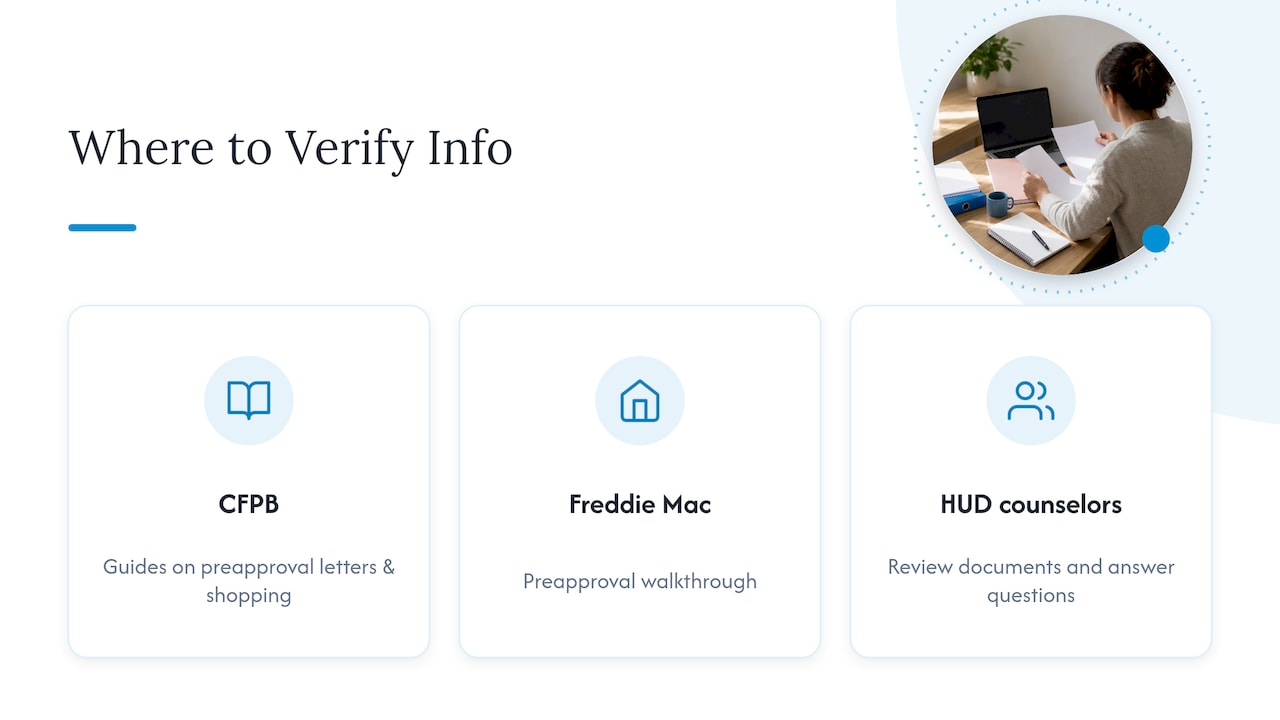
For direct answers, start with the CFPB’s guides on preapproval letters and mortgage shopping, Freddie Mac’s preapproval walkthrough, and HUD-approved housing counselors, who can review your documents and answer questions specific to your situation.
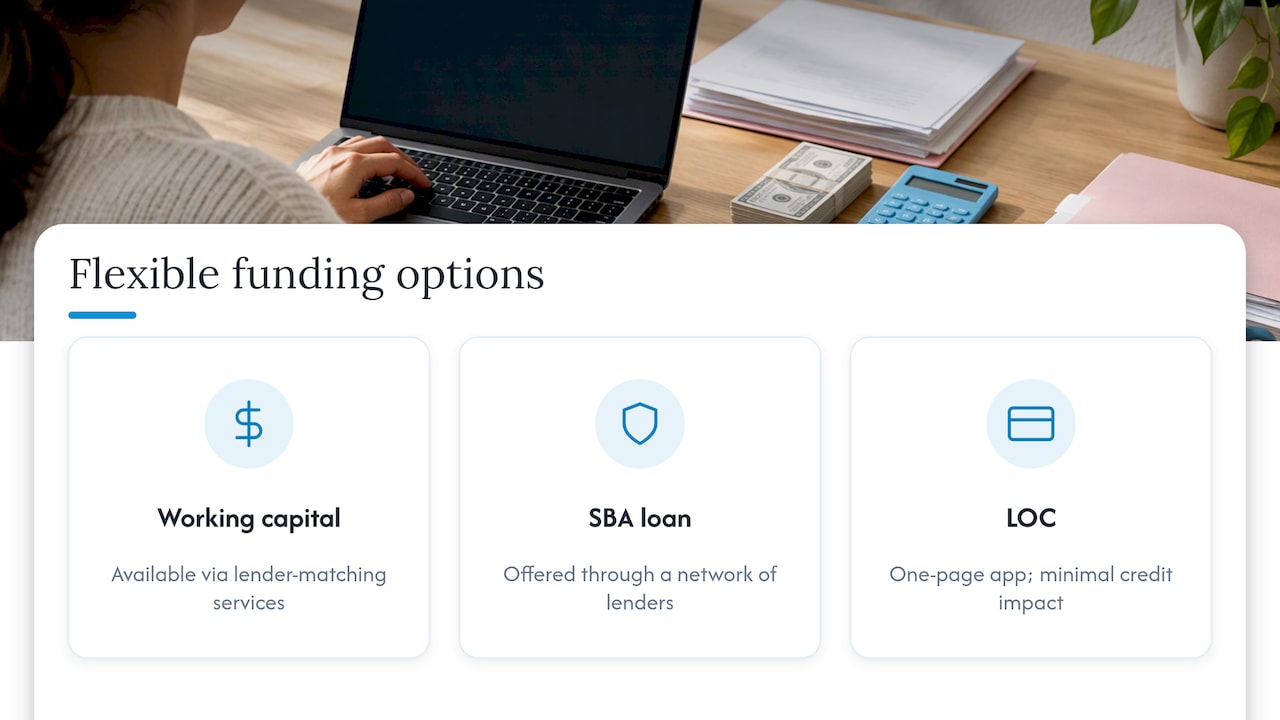
Buying a home is one financial decision among many, and business owners often juggle both personal and business financing timelines at once. If you run a small or medium-sized business and need working capital, an SBA loan, or a line of credit while managing a home purchase, Some lender-matching services offer one-page applications with minimal credit impact and fast approvals through a network of banks and lenders. Visit Fordham Capital to see which financing option fits your business.
Preapproval is generally stronger because it is based on verified documents and carries more weight with sellers, according to the CFPB. Prequalification is faster and useful early on, but it will not carry the same weight once you are ready to make an offer.
Required income depends on your debts, down payment, interest rate, and the lender’s specific guidelines, so there is no single number that applies to everyone. A loan officer can calculate your exact qualifying income once they review your full financial picture.
You technically can, but many sellers and their agents prefer or require a preapproval letter before taking an offer seriously, especially in competitive markets, per CFPB guidance. A prequalification alone may put your offer at a disadvantage against buyers who already hold a preapproval.
No, preapproval is a conditional commitment, not a guarantee of final financing. The CFPB notes that appraisal results, updated documentation, and underwriting can still affect whether the loan closes.
At Fordham Capital, we've made the application process straightforward and reassuring. Dive in and explore your financial options with confidence, knowing there's no impact on your credit score and no obligations. We review your details and offer customized solutions based on what you're looking for.